
1974 words 8 minute read - Let’s do this!
We’re heading into the final stretch of October, and the freight market has decided that apparently nothing can happen one thing at a time. Railroads are reporting impressive third-quarter results, diesel prices are climbing again, ocean freight rates have reversed direction, and U.S. import bookings are sending some surprising signals about the remainder of the year. Meanwhile, one of the country's busiest container gateways is preparing for a major infrastructure project that could change how trucks navigate the area for more than a year. And here's what makes this week particularly interesting: freight demand doesn't have to be booming for transportation to become more expensive or difficult to secure. Sometimes the real problem isn't how much freight is moving. It's how many options shippers have available to move it. Let's get into it!
The nation's largest railroads are delivering some impressive third-quarter results, and the story goes well beyond another strong week of intermodal traffic. Union Pacific reported third-quarter operating revenue of $7.2 billion, increasing 15% year over year, while revenue carloads climbed 6%. Net income reached $2.1 billion, up 16%, reflecting stronger freight activity, pricing and operational performance. Norfolk Southern also reported improved results, with freight demand remaining strong despite elevated fuel costs and pressure on operating expenses. But here's the interesting part: the railroads are benefiting from a transportation market where the economics of long-distance trucking have changed significantly. Higher diesel costs, tighter driver availability and increasing truck operating expenses are encouraging more shippers to evaluate rail as an alternative for longer inland movements. And this isn't necessarily happening because freight volumes are exploding across every industry. It's happening because transportation buyers are looking for ways to move existing freight more efficiently. Union Pacific also reported average terminal dwell of 19.9 hours, improving 2% from a year earlier. That's an important distinction in a market where shippers are increasingly concerned about what happens after cargo enters the inland transportation network. Of course, stronger railroad performance doesn't eliminate the need for trucking. Containers still need to move between rail terminals, warehouses and final destinations. The more freight shifts toward intermodal, the more important those first- and last-mile connections become.
What It Means for Shippers
Intermodal is becoming increasingly attractive for longer inland lanes, but don't compare rail and trucking on linehaul rates alone. Factor in origin and destination drayage, terminal availability, transit time and delivery requirements. A lower rail rate is only a savings if the entire shipment moves efficiently. For time-sensitive freight, keeping both rail and over-the-road options available can provide valuable flexibility.
Just when trucking companies were getting a little relief at the pump, diesel decided to reverse course. According to the U.S. Energy Information Administration, the national average on-highway diesel price increased to $6.276 per gallon for the week of October 19, up from $6.179 the previous week. That's an increase of nearly ten cents in just seven days, and it comes after months of unusually high fuel costs. The challenge isn't simply the price of crude oil. Global diesel supplies remain constrained by refining capacity, relatively low distillate inventories and disruptions affecting international energy transportation. Recent market analysis also points to continued pressure on diesel availability as winter approaches, when heating fuel demand competes with other distillate consumption. And for the trucking industry, the consequences are substantial. Consider a truck averaging six miles per gallon and traveling 2,500 miles each week. At $6.276 per gallon, that truck is spending approximately $2,615 weekly on fuel alone. That's before paying the driver, insurance, maintenance, equipment financing or any other operating expense. Multiply that across an entire fleet, and it becomes easier to understand why carriers are struggling to absorb additional costs. It also helps explain why trucking rates aren't necessarily falling simply because freight demand is softer in certain markets. Operating a truck is expensive, regardless of whether the trailer is full.
What It Means for Shippers
Review fuel surcharge structures and understand how frequently they're adjusted. A competitive linehaul rate can change considerably once fuel is included. For longer routes, compare direct trucking with intermodal or transload alternatives, and where possible, consolidate shipments to improve equipment utilization. With diesel remaining elevated, transportation planning is becoming just as important as negotiating the initial rate.
After several consecutive weeks of declining ocean freight rates, the market has delivered another reminder that pricing rarely moves in a straight line. Drewry's World Container Index increased 3% during the week ending October 15, reaching $4,485 per 40-foot container. The increase followed three consecutive weekly declines and was driven primarily by higher rates on Asia-to-Europe trade lanes. That's an important distinction because it demonstrates how differently individual ocean markets can behave. While some Trans-Pacific routes have experienced downward pricing pressure, other trade lanes are seeing increases as carriers adjust available capacity and respond to changing demand. And those differences matter for companies sourcing products from multiple countries. A shipper may see one ocean freight index moving higher and assume rates are increasing everywhere. Another might see declining Trans-Pacific prices and assume the entire global market is softening. Neither conclusion necessarily tells the full story. Ocean carriers continue adjusting vessel deployments, sailing schedules and capacity to match demand. Those decisions can create short-term pricing changes even when underlying cargo volumes remain relatively stable. Meanwhile, a competitive ocean rate doesn't guarantee an inexpensive shipment once the container reaches the United States. Drayage, storage, chassis availability, transloading and inland trucking can all influence the final delivered cost. And those inland expenses don't always follow ocean freight pricing.
What It Means for Shippers
Evaluate ocean freight rates by individual trade lane rather than relying on broad market averages. Review contract and spot opportunities, confirm sailing schedules and compare total landed costs. When ocean pricing improves, don't automatically assume inland transportation will become less expensive. The best routing is the one that balances cost, reliability and delivery requirements from origin through final destination.
Here's an interesting development heading into the final quarter: U.S. import bookings are showing renewed strength even as the broader market continues sending mixed signals. Recent freight market reporting indicates inbound container bookings are running approximately 20% above year-earlier levels, reaching their strongest pace since 2023. But before anyone assumes that means a perfectly predictable surge in arrivals, there's a catch. Some of the increase reflects shipments delayed or compressed by earlier disruptions at Asian origin ports. Weather-related interruptions and holiday scheduling changes have contributed to uneven booking patterns. In other words, some freight that would ordinarily have moved over several weeks is being concentrated into a shorter shipping window. And that can create a very different kind of capacity challenge. When containers arrive in large, uneven groups, transportation providers have to coordinate truck appointments, chassis, warehouse receiving capacity and outbound deliveries around the same compressed schedule. Even if total monthly import volumes remain manageable, individual weeks can feel considerably busier. Recent market reporting also points to continued extended rail-bound container dwell at several major U.S. gateways, reinforcing the difference between a vessel arriving and freight actually becoming available for inland movement. For shippers, that's an important distinction. A container might be discharged from the vessel, but the delivery clock doesn't necessarily start moving at the same speed.
What It Means for Shippers
Build transportation plans around actual container availability rather than estimated vessel arrival alone. Confirm drayage capacity, warehouse appointments and outbound trucking before the freight reaches the terminal. Where possible, maintain flexible receiving schedules and consider transloading when it improves inland transportation efficiency. The biggest risk isn't always a shortage of capacity across the entire market. Sometimes it's too much freight needing the same equipment on the same day.
Here's an important infrastructure development for anyone moving containers through Southern California. Beginning in November 2026, Caltrans plans to close the Vincent Thomas Bridge, part of State Route 47, for approximately 16 months while crews complete a $753 million bridge deck replacement project. The bridge connects San Pedro with Terminal Island and serves as an important roadway within the Los Angeles and Long Beach port complex. The project will replace the aging bridge deck and modernize safety components, with reopening anticipated in March 2028. Now, before anyone starts imagining container terminals shutting down, there's an important clarification. The Port of Los Angeles says all marine terminals will remain open, with no expected impact on terminal productivity or cargo capacity. Rail cargo operations are also expected to continue without interruption. And according to the port, only approximately 8% of the complex's drayage truck traffic currently uses the Vincent Thomas Bridge. So this isn't a shutdown of Southern California container transportation. But it does mean detours, changing traffic patterns and potentially longer truck travel times for certain routes. Caltrans is coordinating traffic management measures, including adjusted signal timing, additional enforcement and designated detour routes to help reduce congestion. The real challenge for transportation providers will be maintaining productive truck turns and reliable delivery schedules while traffic patterns adjust.
What It Means for Shippers
If you have containers moving through LA/LB, start discussing the upcoming closure with your drayage providers now. Review pickup and delivery routes, appointment flexibility and potential changes in transit time. While the ports expect normal terminal operations, individual trucking routes could experience delays. Planning ahead will be especially important for time-sensitive deliveries, transloads and shipments with limited receiving windows.
TEU volumes went up 0.91% over last week, with majority coming into Los Angeles 19%, Long Beach 15.6% and New York/New Jersey 15.3%.
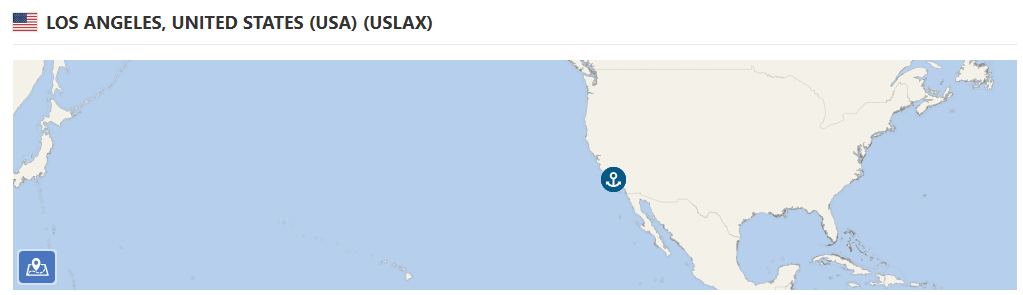
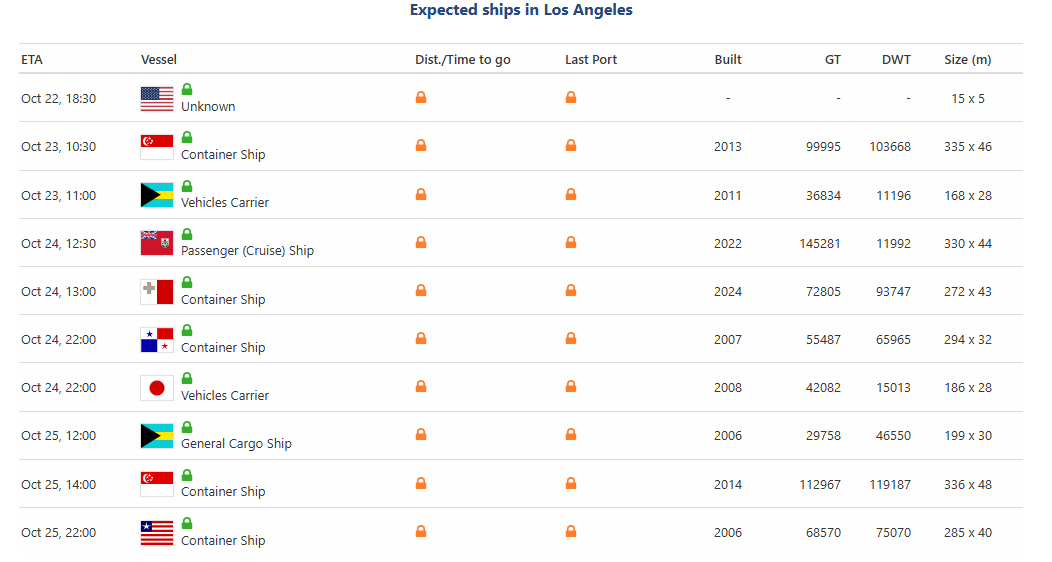
What’s happening at the ports and rails?: LA/LGB: The Ports of Los Angeles and Long Beach may be celebrating record cargo volumes, but containers are spending more time waiting to move inland . New figures from the Pacific Merchant Shipping Association show rail-bound container dwell increased to 7.19 days in September, up from 6.75 days in August. Truck-bound dwell also climbed from 2.95 to 3.18 days. With an extended peak season keeping cargo volumes elevated, the challenge isn't just moving containers off vessels — it's securing the rail capacity, trucks and warehouse space needed to keep freight moving inland.
What It Means for Shippers
Vessel arrival doesn't always mean cargo availability! Coordinate drayage, rail and warehouse appointments early, and consider transloading into domestic trailers for greater inland flexibility. A little planning now can help avoid costly delays later.
The West Coast doesn't slow down, and neither does Port X! Busy terminals, shifting appointments and last-minute container chaos? That's our kind of challenge! Our LA/LB team brings competitive transload rates, secure yard space, flexible storage and real-time OpenTrack visibility to keep your freight moving and costs in check. Add our No Demurrage Guarantee with 72-hour dispatch, and you've got serious muscle behind every move! Less waiting, more moving and a whole lot less “WHERE'S MY CONTAINER?!” energy. Got freight headed through LA/LB? Let's get ahead of the chaos! letsgetrolling@portxlogistics.com
Did You Know? WHEN PLAN A FALLS APART, CARRIER 911 BECOMES YOUR #1! Some shipments have deadlines. Others have consequences. When an aircraft is grounded, a production line stops or critical freight gets stranded, Carrier 911 is the team you want answering the call! Our 24/7/365 emergency logistics team thrives under pressure! From AOG recovery and hotshots to aerospace, automotive and industrial emergencies, onboard couriers (OBC), charters and first- and last-mile recovery, we turn freight nightmares into successful deliveries.
Need dedicated wheels? Our exclusive-use Sprinters, Straight Trucks and Dry Vans are ready to roll, backed by real-time tracking and immediate proof of delivery. Missed connection? Production shutdown? Needed it yesterday? Don't panic — call Carrier 911! Because when every minute counts, you don't need excuses. You need a rescue mission! Send your next freight emergency to info@carrier911.com and let Carrier 911 take it from there!